
Construction sites are alive with activity, sparks flying, machines roaring, and teams racing against deadlines. It’s exciting, chaotic, and productive all at once. But hidden behind that energy is a silent, ever-present threat: fire. Fire risk on construction sites isn’t just a possibility; it’s a statistical reality. And while traditional fire watch methods have been the go-to safety net for decades, they’re increasingly failing to keep up with the demands of modern construction.
Let’s be honest, construction today isn’t what it was 30 or even 10 years ago. Projects are bigger, materials are more complex, timelines are tighter, and compliance expectations are higher. Yet, many sites still rely on old-school fire watch practices that depend heavily on human vigilance alone. That’s like trying to secure a high-tech facility with a padlock. It looks reassuring, but it’s nowhere near enough, especially in an industry where companies like The Fast Fire Watch Company highlight how quickly fire risks can escalate when monitoring methods fall behind modern realities.
In this deep dive, we’re going to unpack why traditional fire watch methods fall short, what risks they leave exposed, and why the construction industry must rethink how it approaches fire safety.
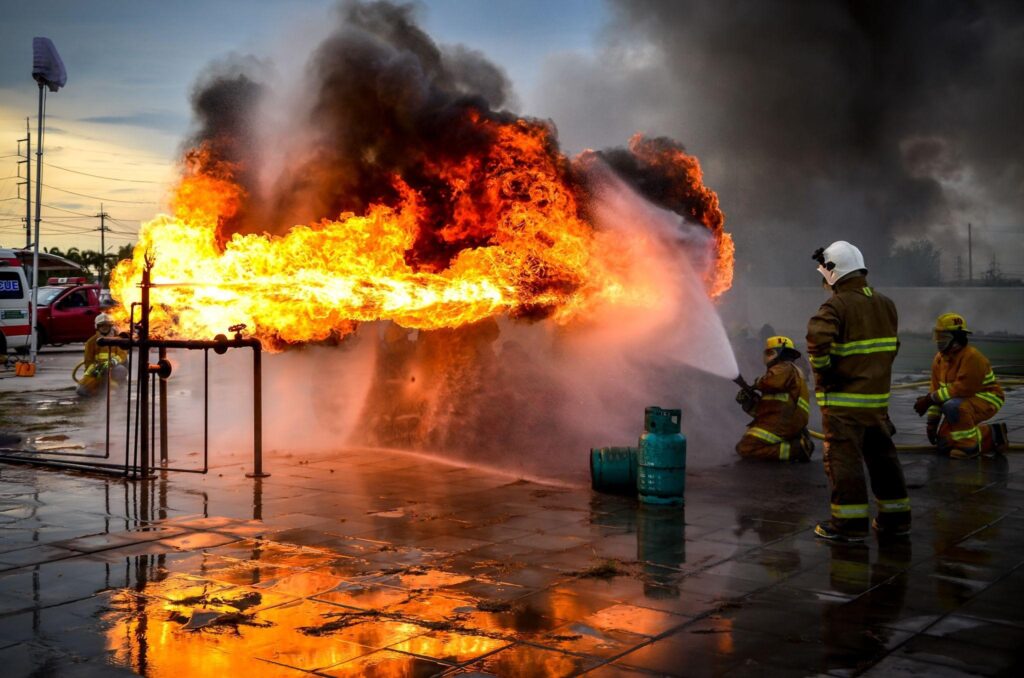
Understanding Fire Risk on Modern Construction Sites
Fire risk on modern construction sites is a completely different beast compared to what it was decades ago. Today’s projects are larger, denser, and packed with advanced materials and systems. Steel frames, composite materials, temporary power grids, fuel-powered machinery, and chemical substances all coexist in tight spaces. That combination alone is a recipe for elevated fire hazards.
One major issue is that construction sites are constantly changing. Walls go up, scaffolding comes down, electrical systems are installed temporarily, and materials are moved around daily. This dynamic environment makes it incredibly difficult to maintain consistent fire risk controls. A spot that was safe yesterday could become a high-risk zone today just because someone added a temporary heater or stored flammable materials nearby.
Another factor is speed. Developers want projects completed faster than ever to reduce costs and get a return on investment. That urgency often leads to overlapping tasks, welding happening near stored materials, electrical work running alongside insulation installation, and multiple subcontractors working simultaneously. Each overlapping activity adds another layer of fire risk.
Traditional fire watch methods were designed for simpler environments. They assume predictable risks and stable conditions. But modern construction sites are anything but predictable. Fire hazards pop up unexpectedly, and when monitoring relies solely on human observation, things slip through the cracks. The result? Fires that start small but escalate quickly before anyone can react.
Common Causes of Fires on Construction Sites
To understand why fire watch methods fail, we need to look at what actually causes fires on construction sites. Spoiler alert: most of them are preventable.
One of the biggest culprits is hot work. Welding, cutting, grinding, and soldering generate sparks and intense heat. Even a single stray spark can ignite nearby materials like insulation, wood, or dust. Traditional fire watch requires someone to observe the area during and after hot work, but that assumes perfect attention and perfect conditions, neither of which are guaranteed.
Temporary electrical systems are another major risk. Extension cords, temporary panels, and makeshift wiring are often installed quickly and used heavily. Overloaded circuits, damaged cables, and improper grounding can easily lead to electrical fires. A fire watch might notice visible sparks or smoke, but by then, the fire has already started.
Then there’s the issue of flammable materials. Construction sites store paints, solvents, fuels, adhesives, and gases, often in large quantities. Improper storage, poor ventilation, or accidental spills can create explosive conditions. A human fire watch can’t detect vapor buildup or internal chemical reactions. They can only react once something goes wrong.
The uncomfortable truth is this: traditional fire watch methods are reactive by nature. They don’t prevent fires; they just hope to catch them early. And hope is not a strategy.
What Is a Traditional Fire Watch?
A traditional fire watch is essentially a human safeguard. It usually involves assigning one or more trained individuals to monitor a construction site, or a specific high-risk area, for signs of fire. These individuals are tasked with watching for smoke, sparks, unusual heat, or unsafe behaviors, especially during high-risk activities like hot work.
On paper, the responsibilities sound solid. Fire watch personnel are expected to:
- Continuously observe the area
- Ensure fire extinguishers are accessible
- Raise alarms if a fire starts
- Remain on duty for a set period after hot work ends
In theory, this creates a safety buffer. In practice, it’s riddled with weaknesses.
Traditional fire watch relies entirely on human senses and judgment. There’s no backup system, no data, no automation. If the fire watch gets distracted, fatigued, or misjudges a situation, the system fails. And on long shifts or overnight watches, fatigue isn’t just possible, it’s inevitable.
Fire watch personnel are also limited by what they can physically see and hear. Fires often start in concealed spaces, inside walls, under floors, or within equipment. By the time smoke becomes visible, the fire may already be well-established.
The Historical Role of Fire Watch in Construction Safety
It’s important to acknowledge that traditional fire watch methods weren’t always inadequate. When construction projects were smaller, simpler, and less technologically complex, having someone keep watch made sense. Back then, fire hazards were easier to identify, and sites were less congested with materials and systems.
Fire watch practices became standard because they were practical and affordable. Hiring a trained individual was cheaper than installing complex fire detection systems, especially on temporary job sites. For many years, this approach worked well enough to reduce incidents and satisfy regulatory requirements.
However, the industry evolved while fire watch methods remained largely unchanged. What once was a proactive safety measure has become a checkbox exercise. Many construction companies deploy fire watch personnel simply to meet compliance standards, not because it’s the most effective solution.
This gap between historical intent and modern reality is where the problem lies. Fire watch was designed for a different era. Continuing to rely on it as the primary fire-prevention strategy today is like using a paper map in a GPS-enabled world.
Why Traditional Fire Watch Methods Fall Short Today
The biggest weakness of traditional fire watch methods is human limitation. Humans get tired. They get distracted. They make assumptions. On a noisy, fast-paced construction site, maintaining constant vigilance is incredibly difficult.
Visibility is another major issue. Fire watch personnel can only monitor a limited area at a time. Large sites often require multiple fire watch guards, yet blind spots still exist. Fires don’t respect assigned zones, they spread wherever conditions allow.
There’s also the issue of delayed response. Even if a fire watch notices something unusual, they still need to confirm the threat, alert others, and take action. Those few minutes can make the difference between a small incident and a full-blown disaster.
Traditional fire watch methods also lack documentation and data. There’s no continuous record of conditions, no analytics, and no way to identify patterns or recurring risks. Without data, improvement is guesswork.
In short, traditional fire watch is passive, limited, and outdated. It’s not designed to handle the complexity, scale, and speed of modern construction projects.
The Cost of Ineffective Fire Watch Practices
When fire watch methods fail, the consequences are brutal. Financial losses from construction site fires can reach millions of dollars. Equipment is destroyed, materials are lost, and entire sections of a project may need to be rebuilt.
But the real cost goes beyond money. Fires cause project delays that ripple through supply chains and contracts. Deadlines are missed, penalties are triggered, and reputations are damaged. In severe cases, companies face lawsuits, regulatory fines, and even criminal liability.
And let’s not forget the human cost. Construction workers’ lives are put at risk when fire safety fails. Injuries, trauma, and loss of life are consequences no spreadsheet can justify.
All of this from relying on a system that was never designed to handle today’s level of risk.
Regulatory Requirements and Fire Watch Compliance
Fire watch practices are often driven by regulations from organizations like OSHA and NFPA. These standards require fire watch under certain conditions, especially when fire protection systems are impaired or hot work is being performed.
The problem is that compliance doesn’t equal safety. Many sites technically meet fire watch requirements while still being dangerously exposed. Regulations often specify what must be done, not how effective it must be.
This creates a false sense of security. As long as a fire watch is present, stakeholders assume the risk is managed. In reality, the underlying hazards remain.
Technology Gaps in Traditional Fire Watch Systems
Traditional fire watch methods operate in a technological vacuum. There’s no real-time monitoring, no environmental sensors, and no automated alerts. Everything depends on observation and reaction.
Modern technology can detect temperature changes, smoke particles, gas leaks, and electrical anomalies long before a human notices anything. Traditional fire watch has none of these capabilities.
This gap isn’t just inconvenient, it’s dangerous.
Human Limitations: The Weakest Link in Fire Watch
Even the most well-trained fire watch personnel are limited by biology. Long shifts lead to fatigue. Repetitive monitoring leads to complacency. Stress affects decision-making.
Training quality also varies widely. Some fire watch guards receive comprehensive instruction, while others get minimal preparation. This inconsistency creates uneven safety standards across sites.
When safety depends on perfection, failure is inevitable.
Conclusion: Rethinking Fire Safety on Construction Sites
Traditional fire watch methods had their moment, but that moment has passed. Modern construction sites demand smarter, faster, and more reliable fire risk management. Continuing to rely on outdated practices isn’t just inefficient; it’s dangerous.
Fire safety isn’t about checking boxes. It’s about protecting lives, investments, and futures. And that requires moving beyond tradition and embracing innovation.